Trezor.io/start: Everything You Need to Know About the Latest Features, Security Updates, and User Tips
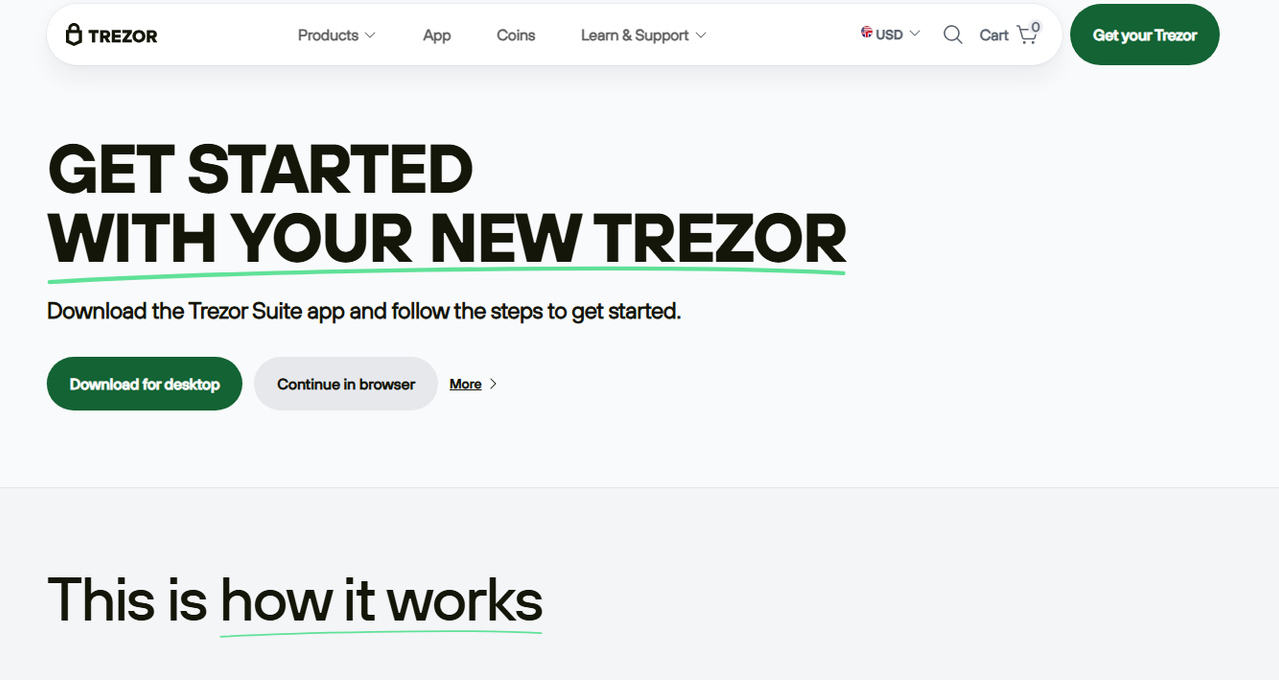
As cryptocurrency adoption grows, securing your digital assets becomes more important than ever. Trezor.io/start serves as the official starting point for anyone looking to set up a Trezor hardware wallet safely, access the latest firmware, and explore newly added features.
This guide walks you through the latest product updates, key security enhancements, practical user tips, and frequently asked questions, ensuring both beginners and experienced users can manage their crypto assets confidently.
Why Trezor.io/start Matters
Cryptocurrency security is not optional. Unlike banks, exchanges, or payment apps, crypto ownership depends entirely on your private keys. Losing access or trusting the wrong software can result in permanent loss.
Trezor.io/start is designed to:
Provide the latest official setup instructions
Guide users through secure firmware installation
Ensure proper generation and storage of recovery seeds
Help users access new features safely
Starting from the official source prevents phishing, fake software downloads, and user errors.
Latest Trezor Product Features
Trezor continues to update its devices, ensuring support for new tokens, improved usability, and advanced security features.
Trezor Model T Highlights
Touchscreen Navigation: Quick and intuitive transaction verification
Expanded Coin Support: Bitcoin, Ethereum, Cardano, Solana, and popular DeFi tokens
On-Device Passphrase Entry: Extra layer of security without using a computer
Firmware Enhancements: Faster device startup and smoother wallet recovery
Trezor Model One Updates
ERC-20 Token Support: Expanded token compatibility
USB and Connectivity Reliability: Reduces connection failures
Bug Fixes: Improved transaction confirmation and multi-account management
Trezor Suite Integration
Trezor Suite now provides:
Portfolio overview across multiple cryptocurrencies
Transaction history with improved analytics
Multi-wallet management
On-demand device health checks and firmware alerts
These updates keep your wallet secure while offering a better user experience.
Step-by-Step Setup with Trezor.io/start
Even with the latest features, the setup process is critical for ensuring security.
Step 1: Access the Official Page
Open your browser and type trezor.io/start manually. Avoid email links, ads, or third-party websites.
Step 2: Choose Your Device Model
Select either Trezor Model One or Trezor Model T to receive device-specific instructions.
Step 3: Install Firmware
If the device has no firmware installed, Trezor.io/start guides you through the process securely. This step ensures your device is authentic and has the latest security updates.
Step 4: Generate Your Recovery Seed
Write your 12–24 word recovery phrase offline, store it safely, and never share it. This is the only way to restore your wallet if your device is lost.
Step 5: Set Your PIN
Create a PIN to prevent unauthorized physical access. Use a PIN that is memorable to you but hard for others to guess.
Step 6: Explore Device Features
Enable passphrase-protected wallets
Add multiple accounts for long-term or daily use
Connect to Trezor Suite for advanced management
Security Best Practices
Keep Firmware Updated: Install all official updates to patch vulnerabilities.
Use a Strong Passphrase and PIN: Multi-layered security protects against both physical and digital threats.
Offline Storage for Recovery Seed: Avoid digital backups and consider fireproof or metal storage solutions.
Verify Transactions on the Device: Always confirm the recipient address and amount on your Trezor screen.
Regular Monitoring: Check balances, transaction history, and device notifications via Trezor Suite.
Implementing these practices ensures your crypto remains secure under any circumstance.
Common FAQs
Q: Can I set up my Trezor on a mobile device?
A: Initial setup is recommended on desktop for security, though some management features work on mobile via Trezor Suite.
Q: What happens if Trezor stops supporting my device?
A: Your funds are safe. Recovery seeds are compatible with other hardware wallets and supported software.
Q: Can malware steal my crypto while using Trezor?
A: Transactions must be confirmed on the device itself, preventing silent malware attacks.
Q: How often should I update firmware?
A: Install updates whenever prompted via Trezor.io/start or Trezor Suite to ensure maximum security.
Q: What if I lose my PIN?
A: You can restore your wallet using the recovery seed. Without it, funds are unrecoverable.
Recent Product and Community Updates
DeFi Token Support Expansion: Trezor now supports popular DeFi coins and Layer-2 tokens.
Community-Requested Features: Multi-account portfolio improvements and analytics tools.
Firmware Security Patches: Recent updates addressed minor vulnerabilities and enhanced device performance.
Following Trezor.io/start ensures you always leverage the latest tools and features.
Tips for Experienced Users
Use Hidden Wallets: Protect sensitive funds with passphrase-protected accounts.
Separate Accounts: Use different wallets for daily spending, long-term storage, and experimental tokens.
Regular Backup Checks: Verify your recovery seed periodically.
Stay Informed: Follow official Trezor updates to avoid missing important security or feature releases.
Conclusion
Trezor.io/start is more than a setup page—it’s your gateway to secure ownership, feature updates, and ongoing crypto management.
By following official setup instructions, keeping firmware updated, and applying best security practices, you can confidently manage your assets and take advantage of new Trezor features.
Whether you are new to crypto or an advanced user, starting with Trezor.io/start is the first step toward secure, long-term self-custody.
Start today: https://trezor.io/start